What is Bullying?
Positive parenting leads to positive futures for generations to come.
American SPCC provides parenting education and support as the most effective way to support families and nurture children.
The following resources are made possible through contributions by child and family advocates like you.
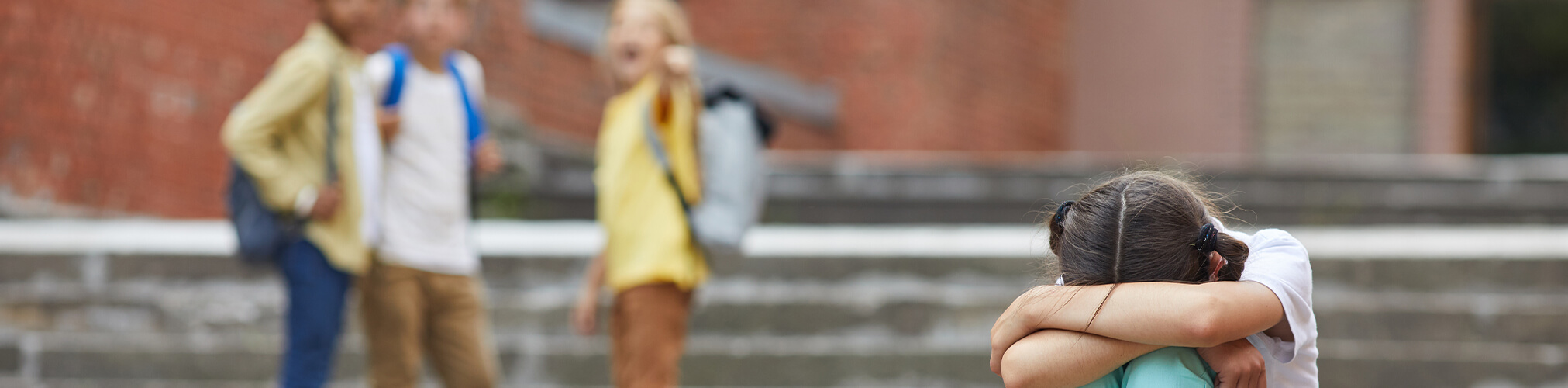
Be a Friend, Not a Bully
Help Prevent Bullying and its Impact Now!
The Three B’s of Bullying
%
Bully
30% of youth admit to bullying.
Bullied
1 in 3 students are bullied at school.
%
Bystander
70% have witnessed bullying.
What is Child Bullying?
Bullying is unwanted, aggressive behavior that involves a real or perceived power imbalance. The behavior is repeated or has the potential to be repeated over time. Both kids who are bullied and who bully others may have serious lasting problems.
In order to be considered bullying, the behavior must be aggressive and include:
- An imbalance of power: kids who bully use their power, physical strength, access to embarrassing information, or popularity, to control or harm others. Power imbalances can change over time and in different situations, even if they involve the same people.
- Repetition: bullying behaviors happen more than once or have the potential to happen more than once.
Bullying includes actions such as making threats, spreading rumors, attacking someone physically or verbally, and excluding someone from a group on purpose.
Impact of Child Bullying
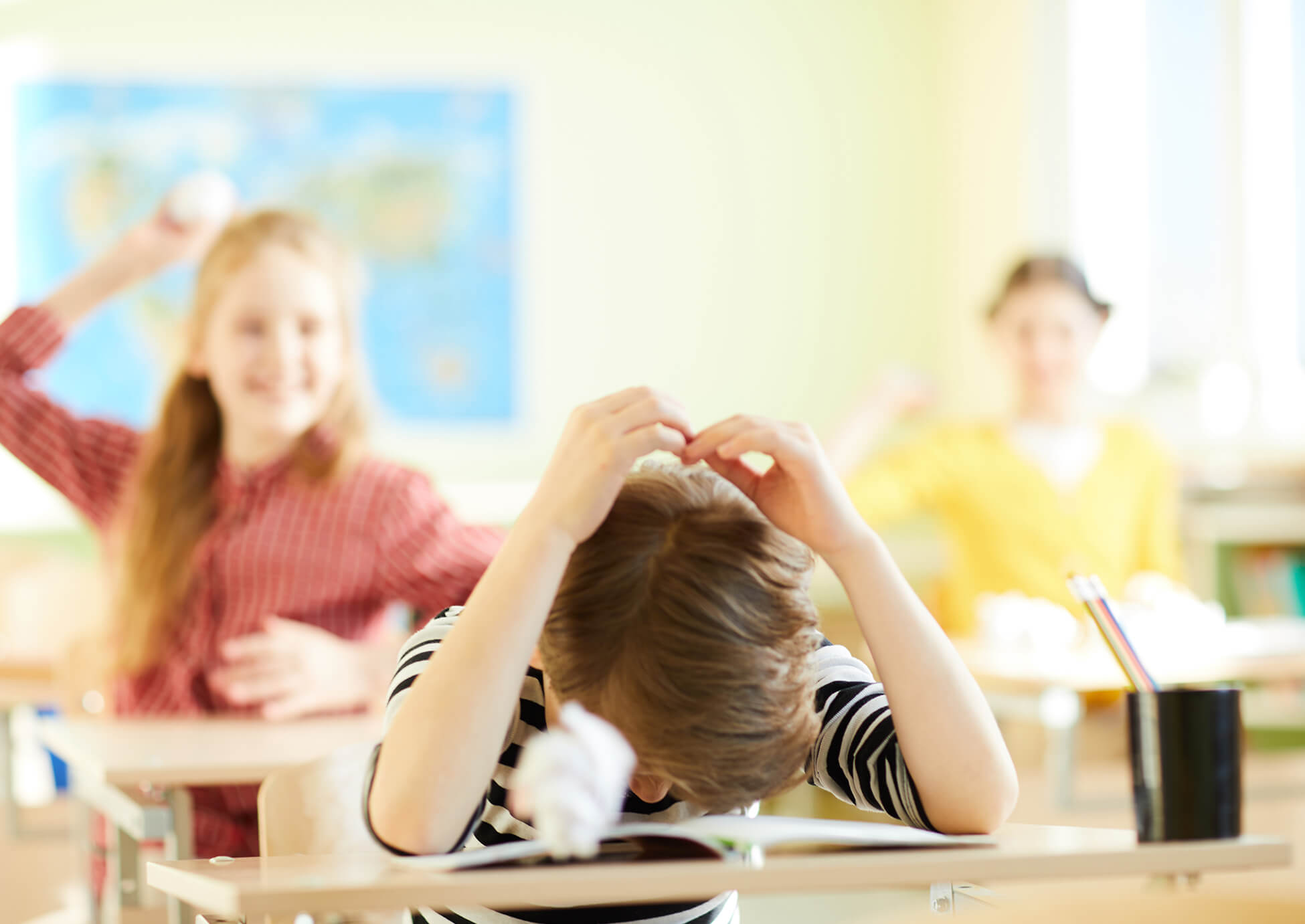
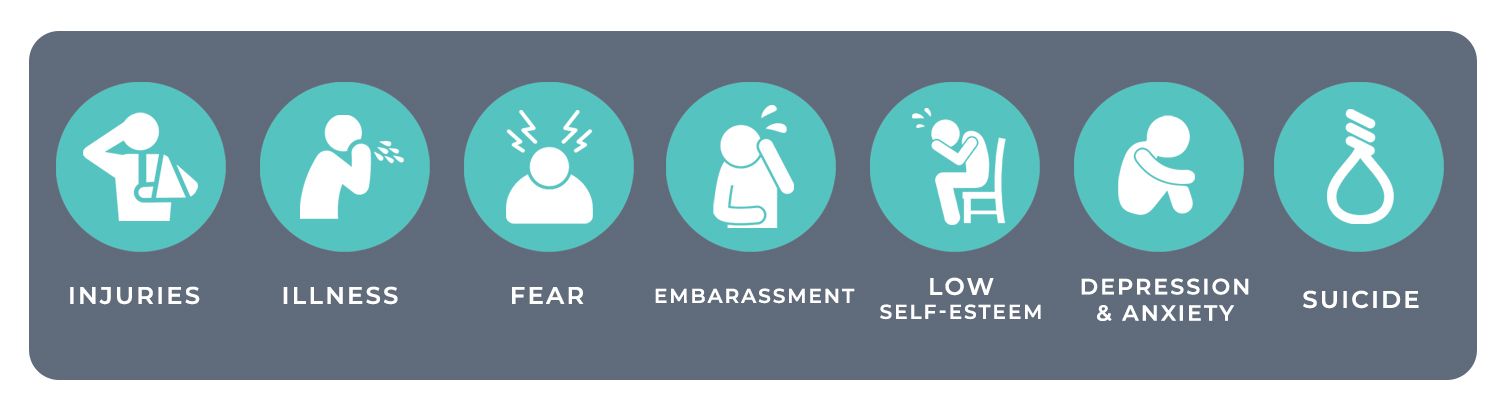
Bullying behavior can have serious and sometimes extreme impacts on victims and perpetrators. Bullying may affect children in all areas of their life, both at home and in school, and in the present and the future.
References & Sources
- U.S. Dept. of Justice
- StopBullying.Gov
Resources like these are provided by American SPCC – a national nonprofit dedicated to building positive childhoods for all children by empowering parents and caregivers with research-backed education and support.
This work is made possible by passionate donors and community advocates. Learn how you can get involved and support the mission here.
Positive Parenting Support,
At the click of a button.
Previous Section
Parenting Resource Center
What is Bullying?
Next Section