Impact of Adverse Childhood Experiences

“Adverse childhood experiences are the single greatest unaddressed public health threat facing our nation today.”

– Dr. Robert Block, former president of the American Academy of Pediatrics

When children face ongoing abuse or trauma, the effects can impact their health, relationships, and ability to cope with stress well into adulthood. Understanding the impact is the first step toward healing and building resilience. 

Childhood experiences can shape our lives, but they do not have to define our future. While Adverse Childhood Experiences (ACEs) can have lasting effects, healing is possible. With the right support, individuals can build resilience, strengthen relationships, and create healthier futures for themselves and their children.

baby crying - shaken baby syndrome prevention

What Are ACEs?

Adverse childhood experiences (ACEs) are potentially traumatic events that occur before the age of 18 and can have long-term negative effects on a person’s health and well-being. These experiences are often recalled in adulthood and may continue to influence physical, emotional, and social outcomes throughout life. While child abuse and neglect are well-known forms of childhood adversity, ACEs also include other difficult experiences that do not involve abuse.

Adverse Childhood Experiences | ACES

The impact of ACES have been linked to:
sad person icon - what are aces

Low Life
Potential


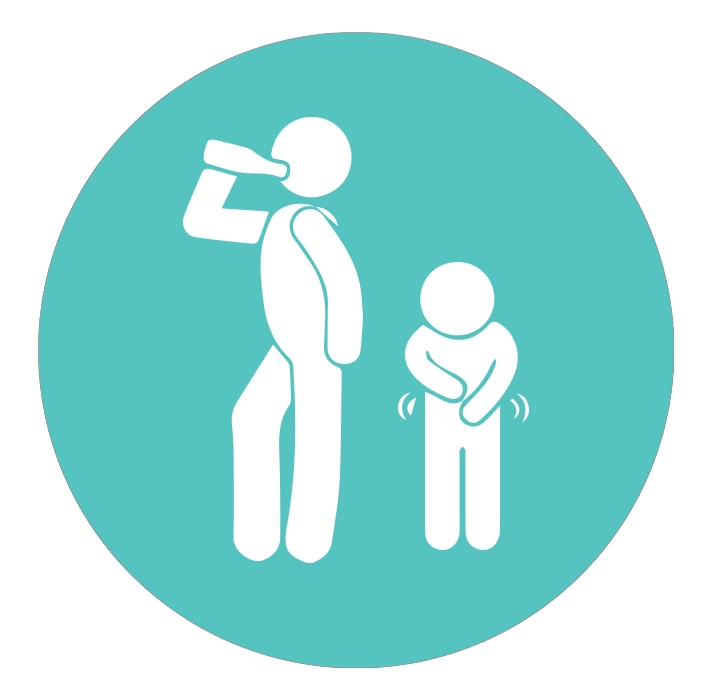
adult drinking and child shaking - adverse childhood experiences

Risky Health
Behavior


grave icon - childhood trauma long term effects

Early
Death

mental illness icon - childhood trauma in adulthood

Chronic
Conditions


baby crying - shaken baby syndrome prevention

Expanded ACEs

Adverse Childhood Experiences (ACEs) can leave lasting effects that extend far beyond childhood. When children experience abuse, neglect, or other significant adversity, the toxic stress can affect healthy brain development and increase the risk of lifelong physical, emotional, and social challenges. As the number of ACEs increases, so does the likelihood of mental health concerns, chronic disease, substance use, difficulty in school and relationships, and reduced opportunities for a healthy, fulfilling future. Understanding the impact of ACEs is the first step toward healing and building resilience.

Supporting Children’s Safety and Well Being:

A child’s life is made up of many experiences and difficult moments are only one chapter of their story. Caring relationships, safe and supportive environments, and positive opportunities can make a lasting difference. These protective factors help lessen the impact of adversity, strengthen resilience, and give children the support they need to heal and reach their full potential.

Protective factors include:

  • A safe, stable relationship with at least one trusted adult
  • Consistent care and emotional support
  • Opportunities to feel heard, valued, and included
  • Predictable routines and environments
  • Positive relationships with family members, educators, mentors, or other trusted adults
  • Healthy opportunities for play, learning, expression, and connection
  • Access to practical resources and support for parents and caregivers

Explore our Parenting Resources Center for helpful tools and resources.


Adversity Is Not Destiny

Our childhood experiences can stay with us in powerful ways, but they do not determine who we are or what our future can hold. With caring relationships, positive experiences, self-awareness, healthy ways of coping, and trauma-informed support, healing and growth are possible at any stage of life.

baby crying - shaken baby syndrome prevention

Resources for Resilience

We provide resources to help parents and caregivers understand the impact of ACEs, strengthen positive parenting skills, and build resilience. Healing from trauma is a journey, and with knowledge and support, families can break generational cycles of adversity. By creating safe, stable, and nurturing environments, caregivers can overcome their own trauma and help children feel secure, build healthy relationships, and thrive.

By being here, you’re impacting generations.

American Society for the Positive Care of Children is dedicated to preventing child maltreatment and raising awareness of the lifelong impacts of adverse childhood experiences by providing parents with the skills, tools, and educational resources that build their confidence and capacity as caregivers and create more positive childhood experiences. We’re able to continue providing resources like these free of charge to nearly 1,000,000 families who rely on us annually thanks to the generosity of our supporters.

Take action to reduce Adverse Childhood Experiences for the Next Generation Today.